
Kengo Kuma: The Modern Master of Japanese Architecture

The Modern Master of Japanese Architecture

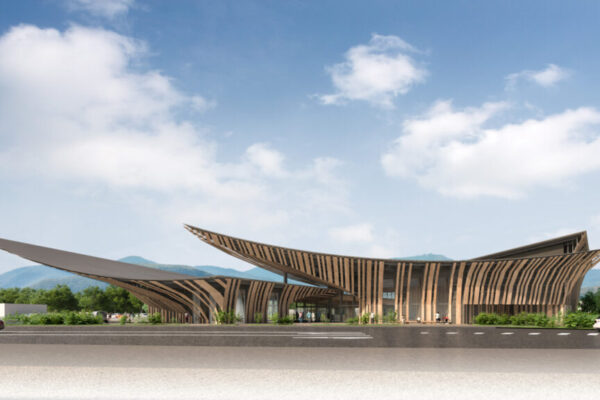
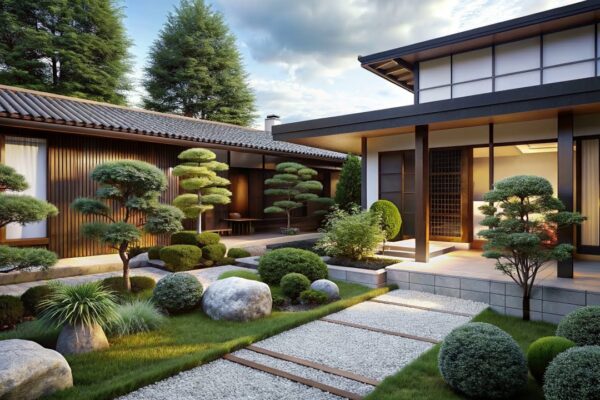
Kengo Kuma is one of the most influential figures in contemporary architecture, known for his unique ability to blend traditional Japanese aesthetics with modern design principles. His work challenges conventional norms and embraces sustainability, natural materials, and the relationship between architecture and its environment. Kuma’s approach goes beyond just creating functional spaces; it’s about creating…
Read More
The Art of Building Japanese Temples and Shrines

The Art of Building Japanese Temples and Shrines

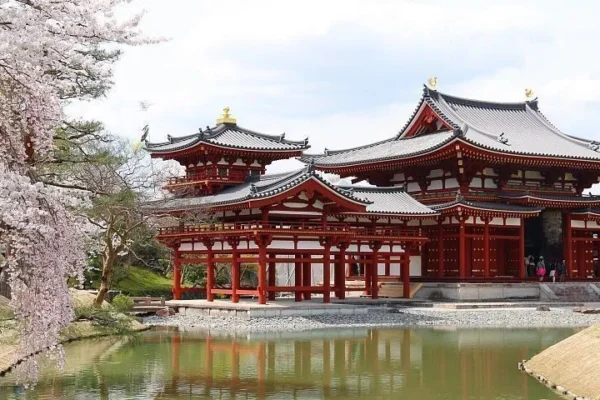
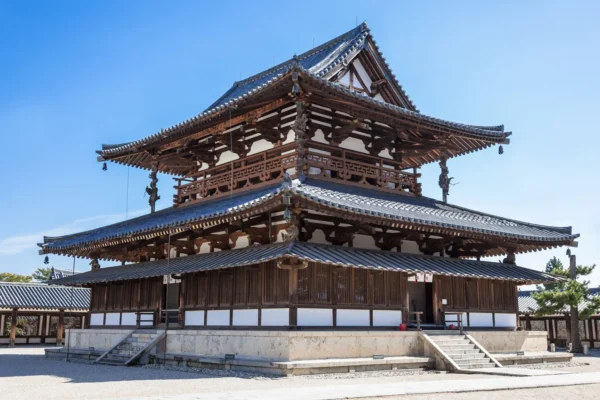
The art of building Japanese temples and shrines is a fascinating blend of tradition, religion, and architectural precision. These sacred spaces, whether Shinto shrines or Buddhist temples, are deeply embedded in Japan’s culture, reflecting centuries of architectural evolution. From the serene beauty of a simple shrine in the forest to the grandeur of towering temple…

Read More
The Unique Beauty of Japanese Shoji Screens

The Unique Beauty of Japanese Shoji Screens

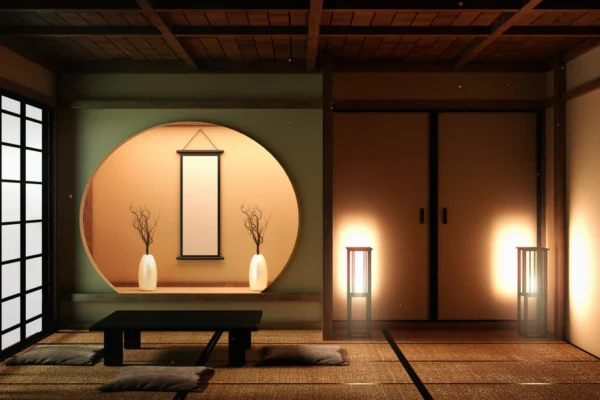
Shoji screens are one of the most iconic elements of traditional Japanese design. Known for their delicate beauty, versatility, and functionality, Shoji screens have been a key feature in Japanese homes for centuries. Typically used as room dividers or window coverings, these screens offer both privacy and natural light, contributing to the serene and minimalist…

Read More
How Japanese Gardens Complement Architectural Design

How Japanese Gardens Complement Architectural Design

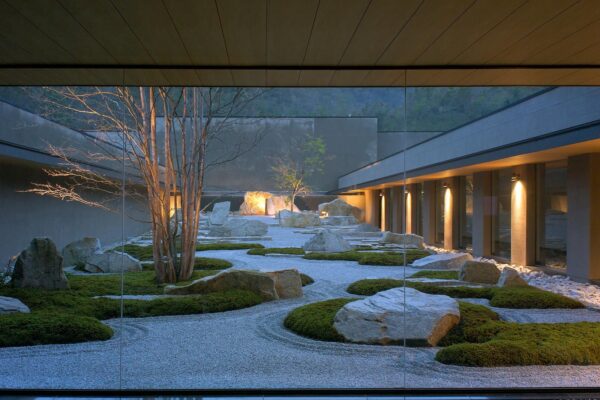
heyJapanese gardens are renowned for their serene beauty and profound connection to nature. They aren’t just standalone spaces but are carefully integrated into the design of Japanese homes, temples, shrines, and castles. These gardens often serve to complement and enhance the architectural elements of a building, creating a harmonious and tranquil atmosphere. 1. The Philosophy…

Read More
The Influence of Samurai Culture on Japanese Castle Design

The Influence of Samurai Culture on Japanese Castle Design

Japanese castles are not just grand architectural landmarks—they are a reflection of samurai culture, military strategy, and feudal hierarchy. Built primarily between the 15th and 17th centuries, these fortresses were designed to protect lords, display power, and support military operations. Every element of a Japanese castle, from its towering walls to intricate layouts, was influenced…

Read More
Japanese Minimalism in Architecture: Less is More

Japanese Minimalism in Architecture: Less is More

Minimalism is a key principle in Japanese architecture, emphasizing simplicity, functionality, and harmony with nature. This design philosophy creates calm, uncluttered spaces that promote a sense of peace and mindfulness. Japanese minimalism has influenced modern architecture worldwide, proving that less is more when it comes to design. 1. The Philosophy Behind Japanese Minimalism Japanese minimalism…

Read More
The Role of Wood in Traditional Japanese Buildings

The Role of Wood in Traditional Japanese Buildings

Wood has played a crucial role in Japanese architecture for centuries. From temples and shrines to tea houses and castles, wood has been the preferred building material due to its flexibility, durability, and aesthetic appeal. Japanese builders mastered woodworking techniques that allowed structures to withstand earthquakes, humidity, and time. 1. Why Wood Was Chosen for…

Read More
How Earthquakes Have Shaped Japan’s Architectural Designs

How Earthquakes Have Shaped Japan’s Architectural Designs

Japan experiences thousands of earthquakes every year, making seismic-resistant architecture a necessity. Over centuries, Japanese builders have developed ingenious techniques to protect structures from collapsing. Today, a blend of traditional wisdom and modern technology ensures buildings can withstand even the most powerful tremors. 1. Traditional Earthquake-Resistant Architecture Before modern engineering, Japanese builders relied on flexibility…

Read More