Mack

How Japanese Castles Were Designed to Withstand Attacks

How Japanese Castles Were Designed to Withstand Attacks

Japanese castles are renowned for their unique and intricate designs, which were specifically created to withstand military attacks during Japan’s feudal era. These castles weren’t just homes for the samurai class; they were fortified strongholds meant to protect their inhabitants from invaders. The design of each castle was carefully thought out, blending functionality with strategic…
Read More
The Most Haunted Japanese Castles

The Most Haunted Japanese Castles

Japan’s rich history is steeped in both legend and mystery, with numerous haunted castles scattered across the country. These castles were once the strongholds of warlords and samurai, but today, they are the settings of eerie ghost stories and supernatural legends. From spirits of fallen soldiers to vengeful souls of betrayed warriors, many of Japan’s…

Read More
The Connection Between Japanese Folktales and Shinto Beliefs

The Connection Between Japanese Folktales and Shinto Beliefs

Japanese folktales have been passed down through generations, preserving cultural wisdom and reflecting the values of the Japanese people. These stories are often deeply intertwined with Shinto beliefs, the indigenous religion of Japan, which focuses on the worship of nature spirits, ancestors, and deities known as kami. Shinto beliefs emphasize a deep respect for nature,…

Read More
Japanese Superstitions and Their Origins

Japanese Superstitions and Their Origins

Japanese culture is rich with traditions, beliefs, and customs that date back centuries, many of which have been passed down through generations. Among these cultural practices are a variety of superstitions—both quirky and profound—that have shaped the way people in Japan view luck, life, and the supernatural. These superstitions are deeply rooted in history and…

Read More
How Japanese Castles Differ from European Castles

How Japanese Castles Differ from European Castles

Castles have long been associated with defense and power, but the construction and purpose of castles vary greatly between cultures. While European castles evoke images of towering stone fortresses designed for warfare and aristocratic living, Japanese castles were built with different architectural styles and strategic functions. Despite both types of castles serving as military strongholds,…

Read More
The Role of Fortresses in Feudal Japan

The Role of Fortresses in Feudal Japan

Samurai castles were more than just military strongholds—they were symbols of power, centers of governance, and key to controlling Japan’s feudal domains. Built strategically during the Sengoku period (1467–1615) and strengthened under the Tokugawa shogunate (1603–1868), these fortresses shaped Japan’s history. But why did the samurai build castles, and what purpose did they serve? The…

Read More
Matsumoto Castle: Exploring Japan’s Black Castle

Matsumoto Castle: Exploring Japan’s Black Castle

Matsumoto Castle, also known as “Crow Castle” (Karasu-jō) due to its distinctive black exterior, is one of Japan’s most famous and well-preserved feudal castles. Located in Nagano Prefecture, this National Treasure stands as a striking contrast to the more commonly white-walled Japanese castles. With its dark wooden façade, multi-tiered keep, and deep historical significance, Matsumoto…

Read More
Himeji Castle: The Jewel of Japan’s Feudal Era

Himeji Castle: The Jewel of Japan’s Feudal Era

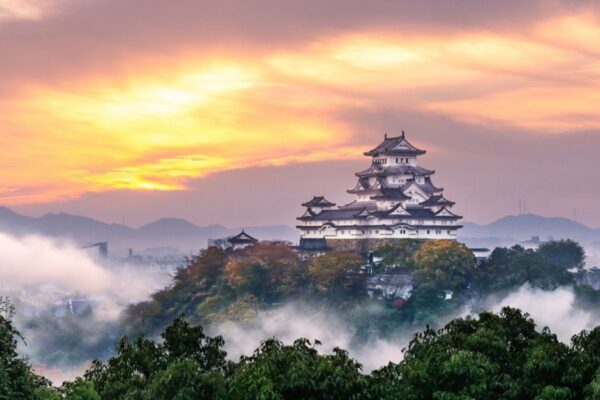
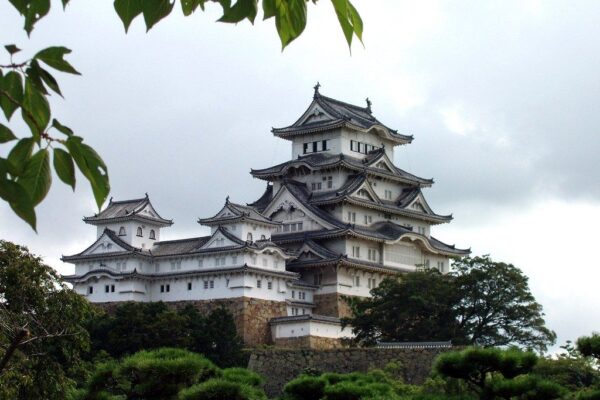
Himeji Castle, often called the “White Heron Castle” (Shirasagi-jō) due to its elegant white walls, stands as one of Japan’s most breathtaking and well-preserved feudal fortresses. Located in Hyogo Prefecture, this UNESCO World Heritage Site is an architectural masterpiece, blending military ingenuity with artistic beauty. From its origins as a defensive stronghold to its status…

Read More